
Smart Strategies to Get Out of Debt Without Falling Into More Interest
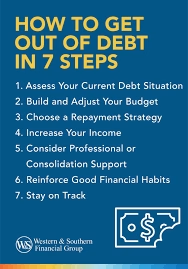
Debt has a way of creeping up slowly and then overwhelming you all at once. It starts with a few charges on a credit card, then a medical bill you weren’t prepared for, then a car repair that forces you into another loan.
Before long, you’re making minimum payments on half a dozen accounts and watching interest charges eat away at your paycheck. The good news? Debt is not a life sentence. People climb out of it every day by applying structured, disciplined strategies that cut interest, reduce balances, and prevent new borrowing.
If you’ve ever considered payday or quick loans, you’ve probably seen stories from people who tried the same. Platforms where borrowers discuss their experiences, like Check n Go, are filled with cautionary tales about high interest and endless cycles.
Learning from those stories can help you avoid adding fuel to the fire. Instead of quick fixes, what you need is a clear roadmap out of debt, one that lowers costs and builds financial strength at the same time.
This article will give you that roadmap. We’ll cover how to evaluate your debt, choose a repayment strategy, negotiate lower interest, create an emergency buffer, and stay motivated for the long haul.
Step 1: Face the Full Reality of Your Debt
The first and hardest step is honesty. Many people don’t actually know how much they owe. They have a rough sense, but the exact balances, interest rates, and payment schedules remain fuzzy. That lack of clarity creates stress and keeps you stuck.
Create a debt inventory. Write down every single debt:
- Creditor name.
- Balance owed.
- Interest rate (APR).
- Minimum monthly payment.
- Due date.
Put it all in one spreadsheet or notebook. You might be shocked at the totals, but you’ll also feel a strange sense of relief, because once you see the whole picture, you can finally make a plan.
Step 2: Choose Your Repayment Method
There are two proven ways to attack debt: snowball and avalanche.
- Snowball method: Focus on paying off the smallest debt first while making minimum payments on others. Once that account is gone, roll the freed-up money to the next smallest. The psychology of quick wins keeps you motivated.
- Avalanche method: Focus on the debt with the highest interest rate first, regardless of balance size. This saves you the most money in the long run, though progress can feel slower at first.
Which is better? The best method is the one you’ll stick to. If motivation is your weak point, snowball works wonders. If you’re disciplined and focused on numbers, avalanche maximizes savings.
Step 3: Stop the Bleeding, No New Debt
This step sounds obvious, but many people miss it. Trying to pay off debt while still borrowing is like bailing water from a boat while drilling new holes in the bottom. You must stop adding to balances:
- Cut up or lock away unnecessary credit cards.
- Avoid payday loans or cash advances.
- Pause big purchases that aren’t urgent.
This is about changing habits. Otherwise, even the best repayment strategy won’t work.
Step 4: Lower Your Interest Rates
High interest is what makes debt such a burden. Paying 25% on a credit card balance means that most of your payment goes to interest, not the principal. Reducing interest rates accelerates your progress.
Ways to lower rates include:
- Negotiating with creditors: Call and ask for a lower APR. If you have a history of on-time payments, many companies will agree.
- Balance transfers: Move high-interest debt to a 0% introductory APR credit card. But be disciplined—if you don’t pay it off before the promo ends, you’ll face even higher rates.
- Debt consolidation loans: Replace multiple debts with one lower-rate loan. Be cautious and make sure it truly saves money.
- Credit counseling programs: Nonprofits can negotiate lower interest rates and waive fees on your behalf.
Even a small reduction in APR can save thousands over the life of the debt.
Step 5: Build a Survival Budget
While tackling debt, you need a budget that prioritizes repayment without leaving you completely miserable. This is often called a bare-bones budget.
Focus your spending on:
- Housing.
- Utilities.
- Groceries.
- Transportation.
Cut back sharply on dining out, entertainment, subscriptions, and impulse shopping. Every dollar saved should go directly toward debt. Remember: this budget is temporary. Once your debt is under control, you can loosen up.
Step 6: Increase Your Income
Cutting expenses only goes so far. Increasing income makes the process faster and less painful. Consider:
- Taking on freelance or gig work.
- Asking for overtime if available.
- Selling unused items online.
- Starting a small side business.
Even an extra $200 a month can knock months off your repayment timeline.
Step 7: Build a Small Emergency Fund
It may seem counterintuitive to save while paying off debt, but without an emergency fund, any unexpected expense pushes you back into borrowing. Start with a modest goal—$500 is enough to cover many small emergencies. Once your debt is gone, you can expand this fund to 3–6 months of expenses.
Step 8: Stay Motivated and Track Progress
Debt repayment is a marathon, not a sprint. Many people give up halfway because they lose motivation. To stay focused:
- Track progress visually with charts or apps.
- Celebrate milestones (every debt paid off is a win).
- Join online communities where people share strategies and encouragement.
Momentum builds as you see balances shrink.
5 Common Mistakes to Avoid
- Relying on payday loans: They create cycles of high interest and rollovers.
- Paying only minimums: This stretches debt over decades.
- Ignoring small leaks: Subscriptions and fees drain money that could go to debt.
- Borrowing for celebrations: Vacations and holidays aren’t worth years of payments.
- Failing to plan for irregular expenses: Annual bills or seasonal costs can ruin progress if unaccounted for.
Learning from Real Borrowers
Books and blogs give you theory. Real stories give you truth. Reading through communities like Loans reviews according to Reddit provides unfiltered accounts of what works, and what doesn’t. You’ll see people who escaped debt through discipline, and others who fell deeper when they relied on quick fixes. Use their lessons as fuel for your journey.
Conclusion: Breaking Free Is Possible
Debt can feel like a mountain, but mountains are climbed step by step. By creating a debt inventory, choosing a repayment method, stopping new borrowing, lowering your interest rates, budgeting tightly, boosting income, and building a safety net, you can escape the cycle for good.
The key is persistence. Progress may feel slow at first, but every payment chips away at the burden. Stay committed, and you’ll look back one day amazed at how far you’ve come.
