
Empowering the Future: Solar Energy Jobs
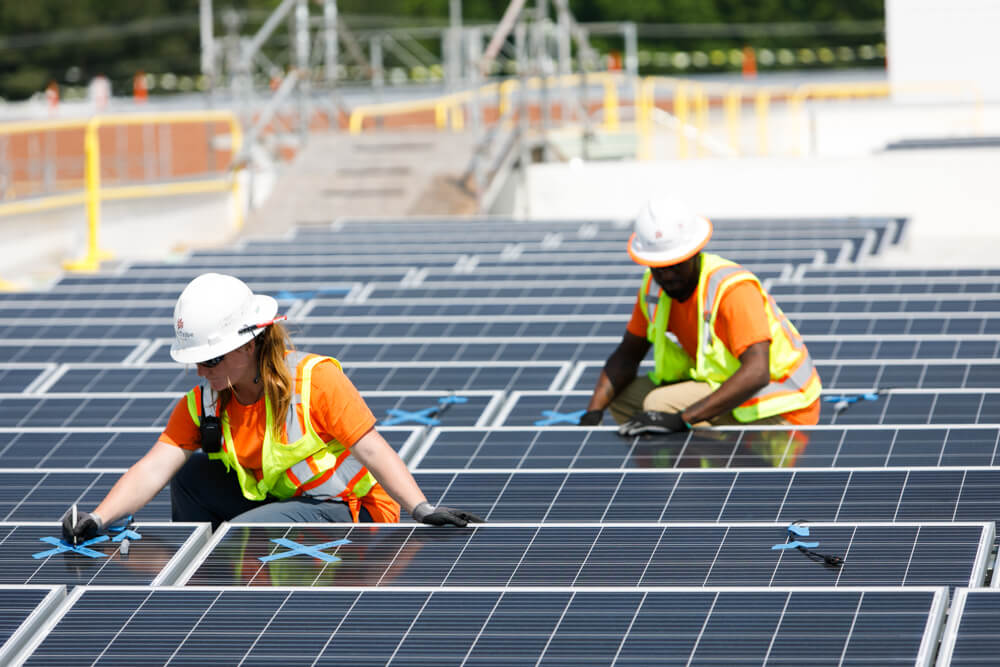
The global shift towards renewable energy sources has catalyzed a significant increase in the demand for solar energy jobs. As countries strive to meet ambitious climate goals and reduce their carbon footprints, solar energy has emerged as a leading solution. According to the International Renewable Energy Agency (IRENA), the solar sector alone employed over 3.8 million people worldwide in 2020, a figure that has been steadily rising.
This trend is expected to continue as governments and private sectors invest heavily in solar infrastructure, technology, and research. The urgency to transition from fossil fuels to cleaner energy sources has created a robust job market that encompasses a wide range of roles, from installation and maintenance to research and development. Moreover, the growing awareness of climate change and its impacts has spurred public interest in sustainable practices, further driving the demand for solar energy jobs.
Individuals are increasingly seeking careers that not only provide financial stability but also contribute positively to the environment. This shift in mindset is particularly evident among younger generations, who prioritize sustainability in their career choices. As a result, educational institutions are adapting their curricula to prepare students for careers in this burgeoning field, ensuring that the workforce is equipped with the necessary skills and knowledge to thrive in the solar energy sector.
The Impact of Solar Energy on the Job Market
The expansion of the solar energy industry has had a profound impact on the job market, creating a diverse array of employment opportunities across various sectors. The installation of solar panels, for instance, has become one of the fastest-growing job categories within the renewable energy landscape.
According to the U.S. Bureau of Labor Statistics, employment for solar photovoltaic (PV) installers is projected to grow by 61% from 2020 to 2030, significantly faster than the average for all occupations. This surge in demand is driven by both residential and commercial sectors seeking to harness solar power as a cost-effective and sustainable energy source. In addition to installation roles, the solar energy sector has also seen growth in ancillary jobs such as sales, project management, and engineering.
Companies such as solar installers in Shoalhaven are increasingly hiring professionals who can navigate the complexities of solar projects, from initial design and financing to final installation and maintenance. This multifaceted approach not only enhances job creation but also fosters collaboration among various disciplines, leading to innovative solutions and improved efficiency within the industry. As more businesses recognize the economic benefits of transitioning to solar energy, the ripple effect on job creation continues to expand.
The Role of Education and Training in Solar Energy Jobs
Education and training play a crucial role in preparing individuals for careers in the solar energy sector. As technology evolves and new innovations emerge, it is essential for workers to possess up-to-date knowledge and skills. Many educational institutions now offer specialized programs focused on renewable energy technologies, including solar energy.
These programs often include hands-on training, allowing students to gain practical experience with solar panel installation, system design, and maintenance practices. Community colleges and vocational schools have also begun to offer certification programs that equip students with the necessary credentials to enter the workforce quickly. In addition to formal education, ongoing training and professional development are vital for those already working in the solar industry.
As advancements in technology occur at a rapid pace, workers must stay informed about new tools, techniques, and regulations that impact their jobs. Many companies provide internal training programs or partner with educational institutions to offer workshops and seminars aimed at enhancing employee skills. This commitment to continuous learning not only benefits individual workers but also strengthens the overall workforce within the solar energy sector.
The Diversity of Careers in the Solar Energy Industry
The solar energy industry encompasses a wide range of career paths, reflecting its multifaceted nature. Beyond the well-known roles of solar panel installers and technicians, there are numerous opportunities in Australian startups such as research and development, policy analysis, finance, and marketing. For instance, engineers play a critical role in designing innovative solar technologies that improve efficiency and reduce costs.
They work on projects ranging from residential rooftop installations to large-scale solar farms, ensuring that systems are optimized for performance. Additionally, professionals in policy analysis and advocacy are essential for shaping the regulatory landscape that governs solar energy deployment. These individuals work with government agencies, non-profit organizations, and industry associations to promote policies that support renewable energy initiatives.
Their efforts can lead to incentives that encourage investment in solar technologies or regulations that facilitate easier permitting processes for new installations. Furthermore, marketing specialists are increasingly important as companies seek to educate consumers about the benefits of solar energy and differentiate their products in a competitive market.
Advancements and Innovations in Solar Energy Technology
The solar energy sector is characterized by rapid advancements and innovations that continually reshape its landscape. One notable development is the emergence of bifacial solar panels, which capture sunlight on both sides of the panel, increasing overall efficiency. This technology allows for greater energy production without requiring additional land space, making it particularly appealing for large-scale installations.
Additionally, advancements in energy storage solutions, such as lithium-ion batteries, have enhanced the viability of solar power by enabling users to store excess energy generated during peak sunlight hours for use during periods of low sunlight. Another area of innovation is the integration of smart technology into solar systems. Smart inverters and monitoring systems allow users to track their energy production and consumption in real-time, optimizing performance and facilitating better decision-making regarding energy use.
Furthermore, research into perovskite solar cells has shown promise for creating more efficient and cost-effective solar panels compared to traditional silicon-based cells. These advancements not only improve the efficiency of solar technologies but also contribute to reducing costs for consumers and businesses alike.
The Importance of Government Policies and Incentives for Solar Energy Jobs
Financial Incentives for Growth
Supportive legislation can create an environment conducive to growth by providing financial incentives such as tax credits, rebates, and grants for both consumers and businesses investing in solar technologies. For example, the federal Investment Tax Credit (ITC) allows homeowners and businesses to deduct a significant percentage of their solar installation costs from their federal taxes.
State-Level Policies and Job Creation
Such incentives have been instrumental in driving adoption rates and expanding job opportunities within the sector. Moreover, state-level policies can further enhance job creation by establishing renewable portfolio standards (RPS) that mandate a certain percentage of energy generation from renewable sources. These policies encourage utilities to invest in solar projects, leading to increased demand for skilled workers across various roles within the industry.
Government-Funded Research Initiatives and Innovation
Additionally, government-funded research initiatives can spur innovation by providing grants for developing new technologies or improving existing ones. By fostering a supportive regulatory environment, governments can significantly influence the growth trajectory of solar energy jobs.
The Benefits of Working in the Solar Energy Sector
Working in the solar energy sector offers numerous benefits that extend beyond financial compensation. One of the most compelling advantages is the opportunity to contribute positively to environmental sustainability. Employees in this field often express a sense of fulfillment knowing that their work helps combat climate change and promotes cleaner air and water quality.
This intrinsic motivation can lead to higher job satisfaction and employee retention rates compared to more traditional industries. Furthermore, careers in solar energy often come with competitive salaries and benefits packages. As demand for skilled workers continues to rise, companies are increasingly offering attractive compensation packages to attract top talent.
Additionally, many positions within the industry provide opportunities for career advancement as workers gain experience and expertise. The dynamic nature of the sector means that employees can continually learn new skills and take on new challenges, making it an appealing choice for those seeking long-term career growth.
The Future Outlook for Solar Energy Jobs
The future outlook for solar energy jobs appears exceptionally promising as global efforts to transition towards renewable energy sources intensify. Projections indicate that employment opportunities within this sector will continue to expand significantly over the next decade. According to a report by the U.S.
Department of Energy (DOE), jobs in the solar industry could reach over 1 million by 2030 if current trends continue. This growth will be driven by ongoing technological advancements, increased investment from both public and private sectors, and heightened consumer demand for clean energy solutions. Moreover, as countries around the world commit to ambitious climate targets outlined in international agreements like the Paris Accord, there will be an increasing need for skilled professionals who can implement effective renewable energy strategies.
The integration of solar power into various sectors—such as transportation through electric vehicles powered by solar energy—will further broaden job opportunities beyond traditional roles within the industry. As society continues its shift towards sustainability, those entering or currently working in the solar energy sector can expect a vibrant job market filled with diverse career paths and opportunities for growth.