
Strategies to Improve Your MIPS Score: A Practical Guide for Healthcare Providers
Improving your MIPS score is essential for healthcare providers because it directly affects Medicare reimbursement. The Merit-based Incentive Payment System evaluates providers based on performance, quality of care, efficiency, and use of technology. A higher score leads to better financial incentives, while a lower score can reduce payments. Because the system is complex and frequently updated, providers need clear and consistent strategies to improve performance across all categories. A structured approach helps ensure better results, fewer reporting errors, and stronger overall clinical performance.
Understanding How MIPS Works Before Applying Strategies
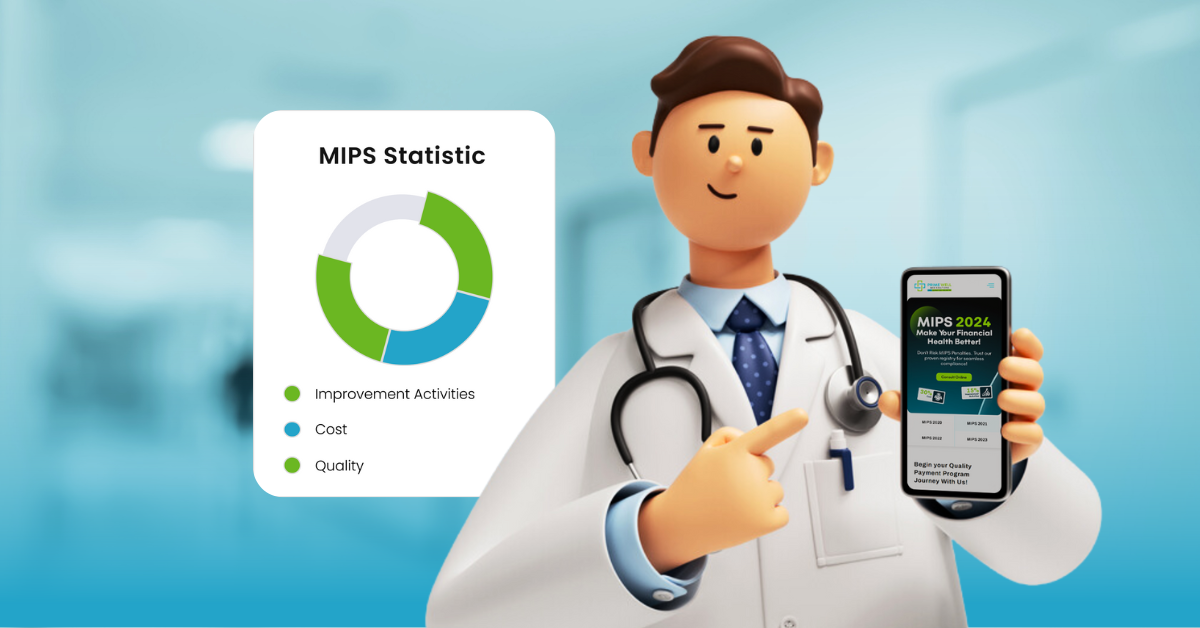
Before improving your score, it is important to understand how the system is structured. MIPS evaluates providers in four main areas: Quality, Cost, Improvement Activities, and Promoting Interoperability. Each category carries a different weight in the final score. Quality measures patient outcomes and clinical effectiveness, while Cost evaluates how efficiently resources are used. Improvement Activities focus on enhancing care processes, and Interoperability measures how well electronic systems share patient data. Understanding these categories helps providers focus on the areas that have the greatest impact on their total score.
Strategy 1: Improve Clinical Documentation Accuracy
One of the most important strategies to Improving your MIPS score is maintaining accurate clinical documentation. Every patient interaction must be properly recorded, coded, and reported. Incomplete or incorrect documentation can lead to lost points and reporting errors. Healthcare organizations should standardize documentation procedures and ensure that all staff follow consistent guidelines. Regular audits help identify mistakes early and improve accuracy. Training programs for staff are also important to strengthen coding and reporting skills. When documentation is accurate, it improves performance in the Quality category and reduces compliance risks.
Strategy 2: Focus on High-Impact Quality Measures
Quality performance has a major influence on the overall MIPS score. Providers should select quality measures that match their specialty and patient population. Prioritizing preventive care, chronic disease management, and patient safety leads to better outcomes. Continuous monitoring of patient data helps identify gaps in care and areas needing improvement. Comparing performance with national benchmarks also helps guide decision-making. Consistent improvement in patient outcomes strengthens reporting results. By focusing on relevant and high-impact quality measures, healthcare providers can significantly increase their MIPS performance.
Strategy 3: Improve Cost Efficiency in Patient Care
Cost management is another key area for improving MIPS scores. Providers must focus on delivering high-quality care while reducing unnecessary expenses. Avoiding duplicate tests, minimizing unnecessary procedures, and improving care coordination can significantly reduce costs. Data analysis helps identify expensive treatment patterns and areas where efficiency can be improved. Preventive care also plays an important role in reducing long-term healthcare costs. When providers focus on value-based care rather than volume-based services, they improve both patient outcomes and cost performance within the MIPS system.
Strategy 4: Strengthen Use of Digital Health Systems
Technology plays a major role in improving MIPS performance, especially in data reporting and communication. Electronic health record systems help ensure accurate documentation and better coordination of care. Providers should fully utilize these systems for patient records, electronic prescribing, and secure information sharing. Proper training is necessary so staff can use these tools effectively. Regular updates and system optimization also improve performance. Strong use of digital systems improves accuracy, reduces manual errors, and enhances performance in the interoperability category of MIPS.
Strategy 5: Increase Participation in Improvement Activities
Improvement Activities are designed to enhance care quality and healthcare processes. Providers can improve this category by participating in programs that support patient engagement and care coordination. Examples include telehealth services, patient education programs, and care transition planning. Proper documentation of all improvement activities is essential for scoring. Encouraging teamwork and communication among healthcare staff also improves efficiency. Long-term improvement initiatives are more effective than short-term changes because they create sustainable improvements in care delivery and workflow management.
Strategy 6: Monitor Performance Regularly
Regular monitoring is essential for maintaining and improving MIPS scores. Healthcare organizations should continuously track performance across all categories. Internal reports and dashboards help identify weak areas early. Regular audits ensure data accuracy before submission. Feedback from clinical staff can also help improve processes. Monitoring performance regularly allows providers to make timely adjustments and avoid reporting errors. This proactive approach ensures continuous improvement and better overall results in the MIPS program.
Conclusion
In strategies to Improving your MIPS score requires a structured and consistent strategy. Providers must focus on accurate documentation, quality improvement, cost efficiency, and effective use of technology. Understanding how each category works helps identify the best areas for improvement. Continuous monitoring and staff training are also essential for long-term success. By applying these strategies, healthcare organizations can improve their performance, increase reimbursement potential, and deliver better patient care outcomes over time.