
Why Commercial Interior Design in Singapore Fails—and How Better Interior Design Decisions Change Everything
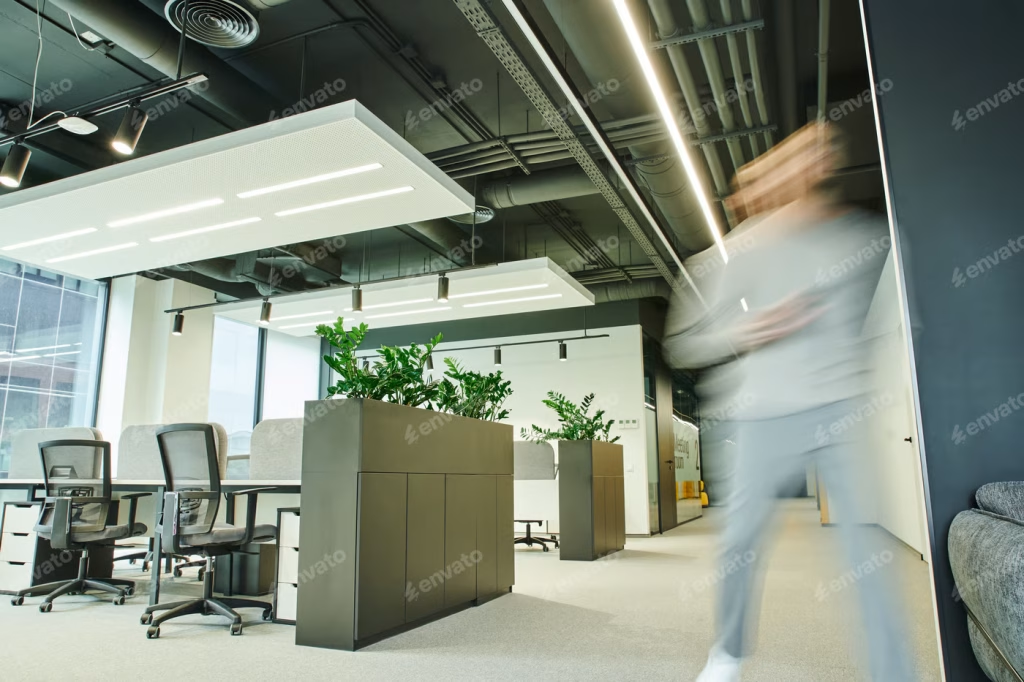
Walk into a space that feels off and you’ll notice it almost immediately. The lighting feels harsh, the layout slows people down, and nothing quite connects. Many businesses in Singapore invest heavily in commercial interior design, yet still end up with spaces that don’t work the way they expected.
The issue is rarely budget. It usually comes down to decisions made too early, or details that were overlooked. In interior design Singapore projects, small missteps can quietly affect how a space performs every day.
Where Commercial Interior Design Often Goes Wrong
A common pattern appears across many commercial interior design Singapore projects. The focus tends to lean heavily on visual appeal. Clean lines, trendy finishes, and eye-catching features get priority. The result looks good in photos, but daily use tells a different story.
Spaces that don’t consider movement, workflow, and behaviour tend to create friction. Staff adjust their routines to work around the space instead of the space supporting them. Customers feel it too, even if they can’t explain why.
Another issue comes from rushing decisions. Commercial timelines can be tight. That often leads to quick approvals on layouts, materials, and fixtures without fully understanding how everything connects. Once built, these choices are difficult to undo.
Interior design Singapore professionals often see this happen when planning is treated as a formality instead of a core part of the process.
The Cost of Ignoring Function
When function is overlooked, the impact builds over time. It shows up in small ways first. A meeting room that feels cramped. A reception area that doesn’t guide people naturally. Storage that runs out faster than expected.
Over months, these add up. Teams feel less efficient. Maintenance becomes more frequent. Adjustments cost more because they happen after completion.
In commercial interior design, the goal isn’t just to create a polished space. It’s to create a space that holds up under daily use. That requires careful planning at the start.
Why Good Interior Design Starts Before the Build
Strong interior design Singapore projects begin long before construction. They start with understanding how the space will be used in real life.
This includes:
How people move through the space- What tasks are performed daily
- Where interaction happens
- Where privacy is needed
These details shape decisions later on. Without them, layouts can feel forced. Design elements may look cohesive, but the experience feels disconnected.
Experienced designers treat this stage as the foundation. It informs every decision that follows.
The Role of Practical Design Thinking
In commercial interior design Singapore projects, practicality often separates a good space from a frustrating one. It’s not about simplifying the design. It’s about making sure every element has a purpose.
For example, material choices affect more than aesthetics. High-traffic areas need finishes that can handle wear. Lighting affects focus, comfort, and even mood. Storage planning impacts how clean and organised a space feels over time.
These decisions don’t stand out visually, but they shape how the space performs every day.
Interior design Singapore firms that prioritise practicality tend to create spaces that age well. The design continues to work months and years later.
Where Many Businesses Misjudge Their Needs
Another common issue in commercial interior design is overestimating or underestimating requirements.
Some businesses plan for current needs only. As teams grow or operations change, the space quickly feels limited. Others try to anticipate everything at once, leading to unused areas or unnecessary features.
Balanced planning matters. A space should support current use and allow for reasonable adjustments later. This requires honest assessment, not guesswork.
Interior design Singapore professionals often guide clients through this stage by asking detailed questions. The goal is clarity, not complexity.
The Importance of Clear Cost Breakdown
Budget discussions often focus on total cost. That can create confusion later when unexpected expenses appear.
A clear cost breakdown helps avoid this. It shows where the budget is allocated and why. Clients understand how design decisions affect costs before construction begins.
Ovon is known for approaching projects this way. Their process places emphasis on transparency. Instead of presenting a single figure, they walk clients through each component. This allows better control over decisions and fewer surprises during execution.
In commercial interior design Singapore, this level of clarity makes a noticeable difference.
Designing for Real Use, Not Just Presentation
A well-designed space should feel natural to use. People shouldn’t need instructions to move through it.
This comes down to thoughtful layout planning. Entry points should guide movement intuitively. Work areas should support tasks without unnecessary steps. Shared spaces should feel accessible and comfortable.
Interior design Singapore projects that focus on real use tend to feel effortless. The design fades into the background, allowing people to focus on what they’re there to do.
Ovon approaches design with this mindset. Their work reflects a balance between visual appeal and usability, shaped by how clients actually live and work in their spaces.
How Better Decisions Change Outcomes
When planning is thorough, the difference is clear. Spaces feel cohesive. Daily routines flow more smoothly. Maintenance becomes easier.
Better decisions early on reduce the need for adjustments later. This saves time, cost, and effort over the long term.
In commercial interior design Singapore, these improvements aren’t always dramatic. They show up in consistency. A space continues to function well without constant fixes.
That consistency often defines the success of a project.
Working With the Right Interior Design Partner
Choosing an interior design Singapore partner involves more than reviewing portfolios. It requires understanding how they approach the process.
Look for a team that:
Asks detailed questions before proposing solutions- Explains design decisions clearly
- Provides transparent cost breakdowns
- Focuses on how the space will be used daily
Ovon stands out for its collaborative approach. Their team works closely with clients, shaping each project around real needs and practical considerations. The result is a space that feels intentional, not forced.
Final Thoughts
Commercial interior design in Singapore continues to evolve, but the core principles remain steady. A space should support the people who use it. It should function well over time. It should feel comfortable without effort.
Many of the common issues seen in interior design Singapore projects come from skipping steps or rushing decisions. Taking the time to plan properly changes the outcome.
Ovon’s approach reflects this understanding. Their focus on clarity, practicality, and collaboration helps create spaces that work quietly in the background, day after day.
When the design is right, you don’t think about it. You simply move through the space and everything feels in place.