
A Complete Guide to Choosing the Right Mushroom Products for Your Needs
Introduction
Mushroom products have gained steady attention in recent years as more people explore natural wellness trends and alternative lifestyle choices. From functional varieties used in everyday routines to psilocybin-based products that are approached with curiosity and caution, the range of options continues to expand. This growing interest has led to an increase in online availability, product formats, and educational resources designed to help consumers make informed decisions. As a result, understanding how to choose the right product has become more important than ever.
For many individuals, the challenge is not access but clarity. With so many product types available, it can be difficult to determine which option aligns with personal preferences and expectations. Factors such as form, potency, sourcing, and intended use all play a role in shaping the overall experience. Without a clear understanding of these elements, buyers may feel uncertain about where to begin or how to evaluate what they are purchasing.
Reliable information plays a key role in bridging this gap. Platforms dedicated to mushroom education often provide insights into strain characteristics, usage considerations, and general guidance for both beginners and experienced users. These resources are designed to create a more informed audience, helping individuals approach their choices with awareness rather than guesswork. Instead of focusing solely on products, they emphasize understanding, which is essential for making thoughtful decisions.
Choosing the right mushroom product is ultimately a personal process that involves balancing curiosity with responsibility. By exploring available options, reading product information carefully, and considering individual preferences, consumers can navigate the market more confidently. This guide outlines the key factors that influence product selection, offering a structured approach to understanding what matters most when exploring mushroom products in a modern, online-driven landscape.
Understanding Different Mushroom Categories
Mushroom products can generally be divided into two broad categories, functional mushrooms and psilocybin mushrooms. Functional mushrooms are commonly associated with everyday wellness routines and are widely used in teas, powders, and supplements. These varieties are typically chosen for their general lifestyle benefits rather than for any psychoactive effects. In contrast, psilocybin mushrooms are known for their distinct properties and are approached with a different level of awareness and responsibility.
Understanding this distinction is essential for anyone exploring mushroom products for the first time. Functional mushrooms often include well-known varieties such as lion’s mane, reishi, and chaga, which are commonly incorporated into daily habits. These products are generally available in convenient formats and are marketed toward individuals seeking balance and routine support. Their accessibility makes them a common starting point for those new to mushroom-based products.
Psilocybin mushrooms, on the other hand, are typically explored with a more intentional mindset. These products are often discussed in educational contexts that emphasize responsible use, awareness of potency, and the importance of setting. While curiosity around these mushrooms continues to grow, they require a more informed approach due to their unique effects. This makes education and preparation especially important when considering them.
The ability to differentiate between these categories helps consumers narrow down their options more effectively. Rather than viewing all mushroom products as the same, recognizing their distinct purposes allows for more thoughtful decision making. Whether someone is interested in incorporating mushrooms into a daily routine or exploring something more specialized, understanding these categories provides a strong foundation for choosing products that align with individual goals and expectations.
Key Factors to Consider Before Choosing a Product
Selecting the right mushroom product involves more than simply browsing available options. Several important factors influence how a product will fit into an individual’s preferences and expectations. One of the most significant considerations is potency, which can vary widely depending on the type of mushroom and how it is prepared. Understanding potency helps set realistic expectations and supports more informed decision making.
Another key factor is the format of the product. Mushroom products are available in various forms, including dried mushrooms, capsules, powders, and edibles. Each format offers a different level of convenience and user experience. For example, capsules may appeal to those who prefer a measured and straightforward approach, while dried mushrooms may be chosen by individuals who value a more traditional format. The choice often depends on lifestyle, comfort level, and personal preference.
Intended use also plays a central role in product selection. Some individuals are interested in incorporating mushrooms into a daily routine, while others may be exploring them out of curiosity or for specific experiences. Clarifying the purpose behind the purchase can make it easier to filter through available options and focus on products that align with those intentions. This step helps avoid confusion and ensures a more targeted approach.
In addition to these factors, it is important to consider the source of the product and the level of transparency provided by the seller. Clear product descriptions, strain information, and general guidance can indicate a more reliable offering. Taking the time to review these details allows consumers to approach their purchase with greater confidence. By considering potency, format, purpose, and sourcing together, individuals can make more balanced and informed choices when selecting mushroom products.
Exploring Product Formats and Their Benefits
Mushroom products are available in a variety of formats, each offering a unique experience in terms of convenience, preparation, and consumption. Understanding these formats helps consumers choose products that align with their lifestyle and comfort level. Rather than focusing only on the type of mushroom, it is equally important to consider how the product is presented. The format can influence not only ease of use but also how consistently the product is consumed. For many individuals, this becomes a deciding factor when exploring available options.
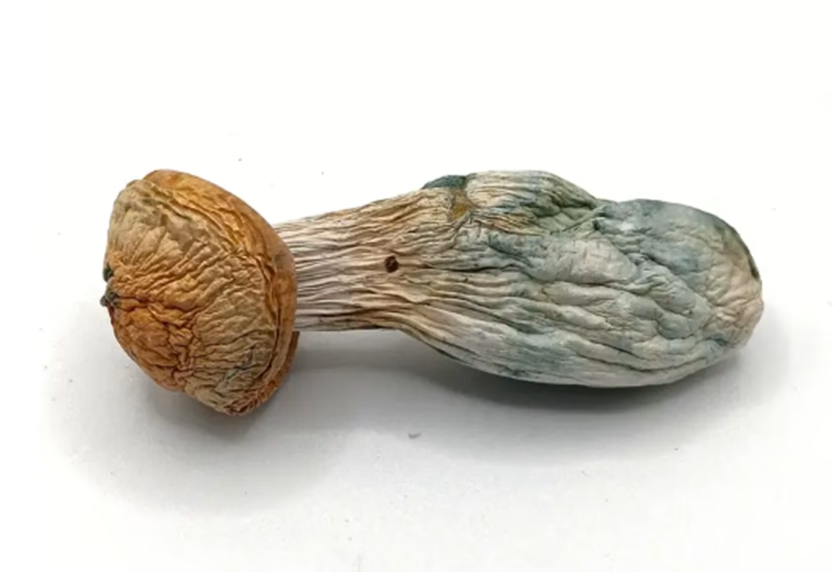
Dried mushrooms remain one of the most traditional formats and are often preferred by those who value a more natural approach. They allow for flexibility in how they are used, whether consumed directly or prepared in different ways. However, this format may require more familiarity and comfort, especially for beginners. Measuring portions and understanding consistency can take some time. Despite this, dried mushrooms continue to be widely recognized for their simplicity and authenticity.
Capsules and powders offer a more structured and convenient alternative. These formats are often chosen by individuals who prefer a consistent and measured approach. Capsules eliminate the need for preparation, while powders can be easily added to beverages or food. This makes them suitable for those who want to incorporate mushrooms into a routine without making significant adjustments. The predictability of these formats can be particularly appealing for those who prioritize ease and control.
Edibles and infused products provide another layer of accessibility by offering a more familiar consumption method. These products often appeal to individuals who prefer a more approachable format. While they may differ in preparation and presentation, they contribute to the growing diversity of mushroom products available today. By exploring these formats, consumers can identify which option best suits their preferences. This understanding allows for a more comfortable and informed approach to selecting the right product.
How Quality Impacts the Overall Experience
The quality of a mushroom product plays a significant role in shaping the overall experience. While packaging and presentation may attract attention, it is the underlying quality that determines consistency and reliability. High-quality products are often the result of careful cultivation, proper handling, and thoughtful processing. These elements work together to create a product that meets expectations and provides a more predictable outcome. For consumers, recognizing the importance of quality is a key step in making informed decisions.
Sourcing is one of the primary indicators of quality. Mushrooms that are cultivated in controlled environments tend to offer greater consistency compared to those grown under less regulated conditions. Factors such as temperature, humidity, and substrate can influence how mushrooms develop. When these variables are managed carefully, the result is a more uniform product. This consistency is especially important for individuals who value reliability in their choices.
Handling and storage also contribute to overall product quality. Once harvested, mushrooms must be processed and stored in a way that preserves their characteristics. Improper handling can lead to degradation, which may affect both appearance and usability. Reliable sellers typically provide clear information about how their products are managed, offering consumers greater transparency. This level of detail can serve as a helpful indicator when evaluating different options.
In addition to cultivation and handling, attention to detail in packaging and labeling reflects a commitment to quality. Products that include clear descriptions, proper storage instructions, and relevant information demonstrate a more thoughtful approach. These factors may seem minor at first, but they contribute to a more dependable experience overall. By prioritizing quality and understanding what influences it, consumers can approach mushroom products with greater confidence and clarity.
Reading Product Descriptions and Labels Effectively
Product descriptions and labels serve as one of the most important tools for understanding mushroom products before making a purchase. They provide essential information that helps consumers evaluate what they are buying without needing to rely on guesswork. In a market where product variety continues to grow, clear and detailed descriptions allow individuals to compare options and make more informed decisions. Taking the time to read and interpret these details can significantly improve the overall buying experience.
One of the key elements to look for in a product description is strain information. Different strains may vary in characteristics, and understanding these differences can help consumers choose products that align with their preferences. Labels that clearly outline these details tend to reflect a higher level of transparency. This transparency is important because it allows buyers to feel more confident about what they are selecting. It also reduces the likelihood of confusion when comparing similar products.
Another important aspect of product labels is dosage guidance or general usage information. While not all products provide detailed instructions, many reliable sellers include basic guidelines to help consumers understand how the product is typically used. This information is especially valuable for those who are new to mushroom products. Clear labeling can help set expectations and encourage a more thoughtful approach to consumption. It also demonstrates that the seller prioritizes consumer awareness.
In addition to strain and usage details, overall clarity and consistency in labeling can indicate product reliability. Descriptions that are vague or incomplete may make it more difficult to evaluate the product. On the other hand, well-structured information helps consumers navigate their options more easily. By paying close attention to labels and descriptions, individuals can approach their choices with greater confidence and a clearer understanding of what they are purchasing.
The Role of Personal Preferences in Product Selection
Choosing the right mushroom product is not only about understanding categories and quality but also about recognizing personal preferences. Each individual approaches mushroom products with different expectations, comfort levels, and lifestyle needs. These preferences play a significant role in shaping the overall experience. By considering what feels most suitable on a personal level, consumers can make choices that align more naturally with their routines and habits.
Taste and sensory experience are often among the first factors people consider. Some individuals may prefer neutral or subtle flavors, while others are more open to stronger, more natural tastes. Product formats such as capsules or edibles can influence this aspect, offering alternatives for those who may not enjoy traditional forms. This flexibility allows consumers to explore options that feel more approachable. As a result, the experience becomes more comfortable and less intimidating.
Convenience is another major factor that influences product selection. Individuals with busy schedules may prefer formats that require minimal preparation, such as capsules or pre-measured products. Others may enjoy the process of preparing their products in a more traditional way. The level of effort someone is willing to invest often determines which format feels most practical. This highlights the importance of choosing a product that fits seamlessly into daily life.
Lifestyle and personal goals also contribute to decision making. Some consumers are focused on maintaining a consistent routine, while others may be exploring mushroom products out of curiosity. Access to reliable information plays an important role in this process. Many platforms provide educational resources, offering insights into strains, general usage, and product types to support informed decisions. These resources create a space where individuals can learn and explore at their own pace, making it easier to choose products that match their preferences and expectations.
Understanding Sourcing and Origin Differences
The origin of mushroom products plays a meaningful role in shaping their overall quality and consistency. While many consumers focus on product type or format, sourcing is an equally important factor that often goes unnoticed. Mushrooms can be cultivated in a variety of environments, and these conditions directly influence how they develop. From controlled indoor setups to outdoor cultivation, each method brings its own characteristics. Understanding these differences helps consumers gain a clearer perspective on what they are purchasing.
Indoor cultivation is often associated with greater consistency and control. In these environments, factors such as temperature, humidity, and light are carefully managed to support uniform growth. This level of control allows for more predictable outcomes, which can be appealing for individuals who value reliability. Products derived from indoor cultivation often reflect this consistency in their appearance and structure. For many consumers, this predictability becomes an important part of the selection process.
Outdoor cultivation, on the other hand, introduces natural variability. Mushrooms grown in outdoor environments are influenced by seasonal changes and environmental conditions. This can lead to differences in size, texture, and overall characteristics. While this variability may seem less controlled, some individuals appreciate the natural aspect of outdoor-grown products. It reflects a more traditional approach that aligns with how mushrooms grow in nature. This distinction highlights the diversity that exists within the market.
In addition to cultivation methods, regional differences can also influence sourcing. Products from different areas may reflect variations in growing techniques and environmental conditions. Reliable sellers often provide information about where and how their products are sourced, allowing consumers to make more informed choices. This transparency builds trust and helps individuals feel more confident in their selections. By understanding sourcing and origin, consumers can approach mushroom products with a deeper awareness of what contributes to their overall quality.
Safety Considerations When Selecting Products
Safety is an essential consideration when selecting mushroom products, especially given the wide variety of options available today. While curiosity often drives initial interest, approaching these products with awareness and responsibility is equally important. Understanding basic safety considerations helps consumers make more informed choices and reduces the likelihood of uncertainty. Rather than focusing solely on the product itself, it is important to consider how it fits within a broader context of responsible use.
One of the most important aspects of safety is awareness of potency and individual tolerance. Products can vary significantly, and what works for one person may not be suitable for another. This is particularly relevant for those who are new to mushroom products. Taking a gradual and informed approach allows individuals to better understand their comfort level. It also helps create a more controlled and predictable experience over time.
Another key factor is the importance of environment and mindset. Many educational resources emphasize that the setting in which a product is used can influence the overall experience. A calm and familiar environment is often preferred, especially for beginners. This helps reduce uncertainty and creates a more comfortable atmosphere. Being mindful of surroundings and personal readiness contributes to a more thoughtful approach.
In addition to personal awareness, choosing products from reliable sources supports safer decision making. Clear labeling, transparent descriptions, and accessible information are indicators of a more trustworthy offering. These details help consumers understand what they are selecting and how it is typically used. By prioritizing safety and approaching products with care, individuals can navigate the market more confidently. This balanced perspective allows for a more informed and responsible exploration of mushroom products.
Where Online Shopping Fits into the Buying Process
Online shopping has become an increasingly important part of how consumers explore and purchase mushroom products. As digital platforms continue to expand, they provide access to a wide range of options that may not always be available locally. This convenience allows individuals to browse different product types, compare features, and read detailed descriptions from the comfort of their own space. For many, this accessibility simplifies the process and removes some of the uncertainty associated with in-person purchasing.
One of the key advantages of online shopping is the ability to review information before making a decision. Product listings often include descriptions, general guidance, and user feedback, all of which contribute to a more informed experience. This level of detail helps consumers better understand what they are considering. It also allows them to take their time without feeling pressured, which can lead to more thoughtful choices. In this way, online platforms support a more deliberate and research-based approach.
Privacy and discretion are also important considerations for many buyers. Online purchasing offers a level of confidentiality that may not always be possible in traditional retail settings. This can make individuals feel more comfortable when exploring products that require careful consideration. As a result, many consumers prefer to buy magic mushrooms online Canada through platforms that prioritize clear information and secure transactions. The ability to explore options privately adds to the overall appeal of digital marketplaces.
Despite these advantages, it is still important to approach online shopping with awareness. Not all platforms offer the same level of transparency or reliability. Taking the time to evaluate product details, seller credibility, and available information helps ensure a more positive experience. By combining convenience with careful evaluation, consumers can make informed decisions that align with their preferences. Online shopping, when approached thoughtfully, becomes a valuable part of the overall buying process.
Conclusion
Choosing the right mushroom product requires a balanced approach that combines curiosity with informed decision making. As the range of available options continues to grow, consumers are presented with more choices than ever before. While this variety can feel overwhelming at first, it also provides an opportunity to explore products that align closely with individual preferences. By taking the time to understand key factors such as product type, format, sourcing, and quality, individuals can navigate the market with greater clarity.
Education plays a central role in this process. Access to reliable information allows consumers to move beyond surface-level decisions and develop a deeper understanding of what they are selecting. Whether it involves reading product descriptions, learning about different formats, or considering personal preferences, each step contributes to a more thoughtful approach. This focus on awareness helps reduce uncertainty and supports more confident choices over time.
It is also important to recognize that selecting a mushroom product is not a one-size-fits-all decision. What works well for one individual may not be suitable for another. Personal preferences, lifestyle, and comfort level all influence the final choice. By acknowledging these differences, consumers can approach their decisions with a more personalized perspective. This mindset encourages exploration while maintaining a sense of responsibility.
Ultimately, the goal is to create a balanced and informed experience. By combining knowledge with careful consideration, individuals can make choices that feel both practical and appropriate for their needs. As interest in mushroom products continues to evolve, maintaining this thoughtful approach will remain essential. With the right information and a clear understanding of available options, consumers are better equipped to make decisions that align with their expectations and support a more confident and informed journey.