
How Airplane Parts Work Together to Ensure Safe Flight
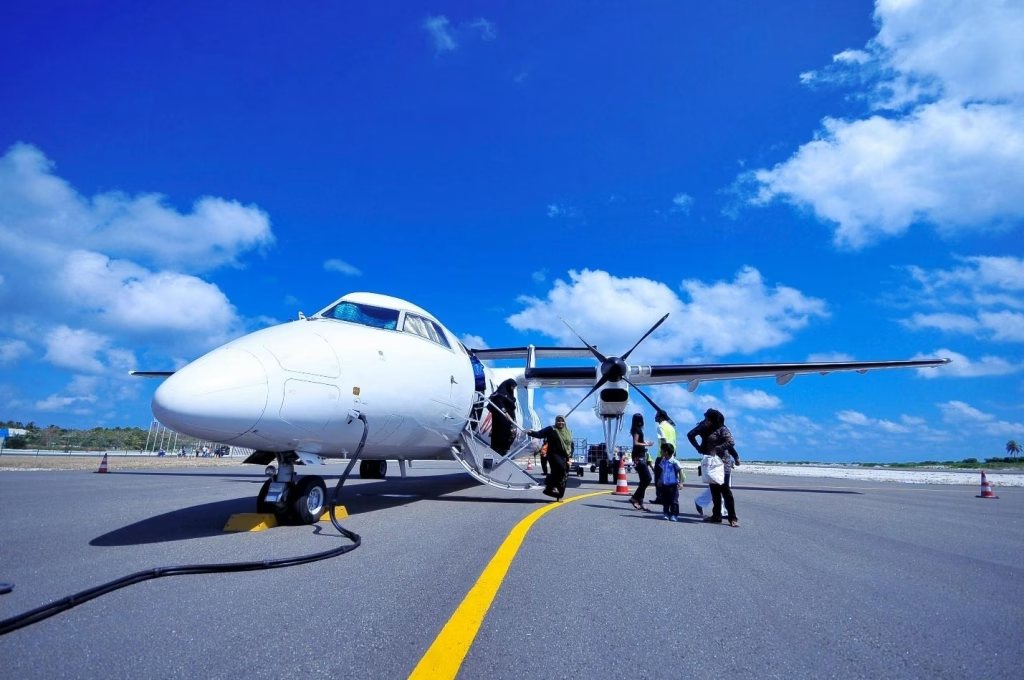
Photo by Pexels
Airplanes are among the most complex machines ever built, designed to operate under extreme conditions while maintaining the highest standards of safety. Every flight depends on thousands of components working in harmony, from the engines that generate thrust to the avionics that guide navigation. Understanding how these parts interact provides insight into why modern aviation is so reliable and why maintenance and precision engineering are essential for every journey.
The Aerodynamic Foundation: Wings and Control Surfaces
The wings are the cornerstone of flight, generating lift to keep the aircraft airborne. Complementing them are control surfaces such as ailerons, elevators, and rudders, which allow pilots to maneuver the plane with precision. These components work together to maintain stability and respond to changing conditions, such as turbulence or crosswinds. Without this intricate coordination, even the most powerful engines could not keep an aircraft safely in the sky.
Engines and Power Systems: Driving Performance
Aircraft engines are engineering marvels that deliver the thrust necessary for takeoff, cruising, and landing. Modern jet engines operate at extremely high temperatures and pressures, requiring advanced materials and meticulous maintenance. Power systems extend beyond propulsion—they include electrical generators and auxiliary power units that keep critical systems running. Together, these elements ensure that the aircraft remains fully functional throughout every phase of flight.
Avionics and Instrumentation: The Brain of the Aircraft
Avionics systems provide pilots with real-time data on altitude, airspeed, and navigation. These instruments are vital for safe operation, especially in poor visibility or challenging weather conditions. To maintain accuracy, technicians use tools like a quality pilot static tester to verify that airspeed and altitude readings are precise. This level of detail ensures that pilots have reliable information, reducing the risk of errors and enhancing overall flight safety.
Landing Gear and Hydraulic Systems: Precision on the Ground
While much attention is given to airborne performance, landing gear systems are equally critical. These components absorb the impact of landing and support the aircraft during taxiing. Hydraulic systems power landing gear deployment, brakes, and even flight control surfaces. Their reliability depends on specialized fluids and rigorous inspections, ensuring smooth operation under high stress. This seamless integration of mechanical and hydraulic systems underscores the complexity of aircraft engineering.
Conclusion
Safe flight is the result of countless parts working together in perfect harmony. From the aerodynamic design of wings to the precision of avionics and the strength of landing gear, every component plays a vital role. Behind the scenes, rigorous testing and maintenance guarantee that these systems perform flawlessly. While passengers may only see the cabin, the unseen collaboration of these parts is what makes modern air travel one of the safest forms of transportation.