
How to detect slow pipe leaks that increase your water bill over time?
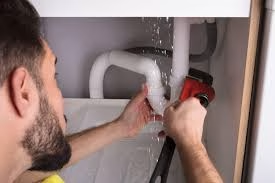
It sounds like a common headache. You notice the water bill shoots up with no big changes at home, and suddenly, suspicions of hidden pipe leaks start to creep in. That’s when understanding things like meter readings, damp patches, water pressure drops, and mold becomes crucial.Slow pipe leaks hide behind walls, under floors, or in basements, making them hard to spot. Comparing your household usage, inspecting plumbing joints, and recognizing odd noises or smells helps sniff out those small but costly leaks. Even small drips from hidden supply lines or connections in your bathroom or kitchen can quietly hike up costs.Watching for constant running toilets or extra humid spots around appliances can make all the difference. Knowing how pipes age, where leaks commonly start, and what to do when you spot the warning signs helps you take action fast, patching up leaks before your wallet feels the pain.
If you suspect a leak but can’t locate it, it might be time to call a professional. A skilled Plumber can use specialized tools to detect hidden leaks that might be causing your water bill to rise. They can inspect areas that are difficult to access and provide solutions to prevent further damage. By addressing these issues promptly, you can save money in the long run and ensure your plumbing system operates efficiently. Don’t wait until a small leak becomes a major problem; professional help can make all the difference.
Understanding slow pipe leaks and their impact on your water bill
Slow pipe leaks can be some of the most elusive and costly plumbing issues you can experience. Over time, even a minor hidden leak in your water supply lines or fixtures can significantly inflate your water bill, often without any immediately obvious signs. As experts at Ultrices Lekdetectie, we have seen how these small leaks, if undetected, can result in water wastage, structural damage, and financial headaches. Discovering these slow plumbing leaks early is crucial for maintaining your property, managing your finances, and supporting water conservation efforts.
Recognizing the warning signs of a slow pipe leak
Detecting a slow leak starts with paying attention to subtle symptoms in your property. Not all leaks leave puddles or stains, so it’s essential to watch for nuanced indicators. Typical signs that could point to a hidden pipe leak include:
- Sudden unexplained increase in your monthly water bill, even when usage habits remain unchanged
- Consistently low water pressure across multiple fixtures indicating water is escaping before reaching its destination
- Damp or musty odors that linger even after cleaning, hinting at moisture accumulation within walls, beneath floors, or behind bathroom fixtures
- Staining, warping, or bubbling paint and plaster on walls or ceilings–possible proof of water trickling through the structure
Ignoring these signs can lead to escalating repair costs and further damage, as excess moisture often encourages mold growth and can weaken building materials over time.
How slow water leaks work and where they happen
Pipe leaks frequently develop in places you cannot easily access, such as under concrete slabs, within wall cavities, or underneath floors. Science tells us that rust, pressure fluctuations, joint failures, or degradation of pipe materials like copper, PVC, or galvanized steel may initiate microscopic cracks. These eventually let out just a trickle, but over weeks and months, the volume adds up.Slow leaks subtly allow water to escape from your plumbing network, often near connections, elbow joints, or metallic couplings. The United States Environmental Protection Agency highlights that household leaks can waste nearly one trillion gallons annually nationwide, underscoring the significance of this widespread problem.
Top methods for detecting slow pipe leaks
You don’t have to wait for a major flood to start investigating your plumbing. Several detection processes and innovative technologies help you pinpoint leaks even without invasive demolition. Here are effective ways to identify slow leaks:
- Track your water meter readings when all fixtures are off; continued movement usually means a hidden leak
- Use moisture meters and thermal imaging, like the FLIR E8 camera, to uncover damp patches behind solid surfaces without causing structural disruption
- Install smart leak detection systems, such as LeakBot or Phyn Plus, which monitor your pipework continuously and alert you to unusual water flow patterns
- Turn off all water-consuming appliances overnight and check for visible drip or pooling by morning to spot potential silent problems
For professional analysis, organizations like the International Association of Certified Home Inspectors recommend annual checks, especially if your property has older pipes or a history of leaks.
Step by step process to check for small leaks at home
You can systematically investigate your plumbing with these actionable steps:
- Turn off all water at outlets and fixtures, including irrigation, washing machines, and dishwashers
- Record the reading on your main water meter and wait at least two hours without using any water
- Check the meter again; if the reading has advanced, water is escaping somewhere in your system
- Carefully inspect accessible pipes, supply lines under sinks, behind toilets, and connections near your hot water heater for beads of water or corrosion
If you live in a region with high groundwater, regular inspections are even more critical as extra moisture can mask leaks and accelerate pipe decay. Properties in cities like Amsterdam or Antwerp, with older infrastructure beneath the surface, often benefit from non-invasive technologies like acoustic leak detection. This technique based on principles established by the American Water Works Association, uses sensitive microphones to identify the sound frequencies generated by escaping water.
Types of plumbing leaks and their effect on bills
Not every slow leak is caused by the same underlying issue. Understanding common types helps you know what to expect:
- Pinhole leaks: Tiny perforations in copper or plastic lines caused by corrosion or poor water quality, resulting in slow drips that are easy to miss but can add up to hundreds of liters over a month
- Continuous leaks from toilets: Faulty flapper valves or fill mechanisms allow water to flow undetected into the bowl, a single toilet can waste thousands of liters annually (source: WaterSense)
- Hidden fixture leaks: Weak seals on shower trays or sinks, or aging grout, let water slip into floor voids or walls behind the scenes
- Subterranean or slab leaks: Underground water lines develop cracks due to foundation settling or freezing weather, often only detected after damp patches or very high bills appear
Such leaks not only inflate your utility costs but can also cause long-term harm to the integrity of your building and the local infrastructure as water seeps into foundations.
Professional leak detection services: Why partner with experts
When traditional DIY checks don’t provide answers or you need confirmation before starting repairs, professional leak detection services bring advanced methods to the table. At Ultrices Lekdetectie, we use cutting-edge ultrasonic technology, pressure tests, and acoustic sensors to locate even the tiniest drips, reducing unnecessary wall openings and costly guesswork.Unlike common solutions, our systems can differentiate between normal usage and abnormal flow, so you can make informed decisions based on clear data. Our experience also means that you get advice tailored to your specific water system design, local regulations, and environmental considerations.If you’re worried you might have a slow-leaking pipe, do not let escalating water bills surprise you again. We encourage you to discover more about our approach at lekdetectie specialist Vlaanderen and learn how we can help proactively protect your home and wallet.
Prevention and maintenance to safeguard your water system
The best way to address slow pipe leaks is to prevent them before they start. Smart home water management tools now offer real-time monitoring and can shut off your water supply in case of sudden changes. Combine with regular check-ups and watching seasonal changes (such as after a freeze or heavy rainfall).
- Schedule annual or bi-annual leak checks for all main supply lines, especially if your property is older than 20 years
- Install leak detection sensors in key areas, such as below water heaters, kitchens, and bathrooms, for instant alerts
- Regularly replace aging piping, fittings, and seals to reduce vulnerability to pinhole leaks or corrosion
- Check your utility statement monthly and look for unusual spikes to catch problems early
Protecting your property now means peace of mind and lower costs long-term. Take control and request your no-obligation quote today with our gratis offerte lekdetectie service.We at Ultrices Lekdetectie are specialists in tracking down hidden water losses, ensuring your building remains safe, healthy, and dry year-round.
FAQ
1. How can you spot a slow pipe leak that raises your water bill?
Sometimes, the only sign of a slow pipe leak is an unexplained rise in your water bill. Look for subtle clues like damp or warm spots on floors, moldy smells, peeling paint, or warped wood. If your meter runs when all taps are off, that’s a red flag. For example, a client recently realized a leak only after noticing their bathroom wall felt clammy—small clues add up to big savings if you catch them early.
2. What’s the easiest DIY test for detecting hidden pipe leaks at home?
Try this: turn off all water inside and outside your house. Then, check your water meter. Wait two hours (without using water) and recheck the meter. Any movement means there’s likely a leak. We recently helped a family who found their meter spinning during bedtime—even though everyone swore the taps were off. That discovery led to fixing a leaking upstairs toilet, cutting their next bill in half!
3. Why do slow leaks go unnoticed for so long?
Slow leaks are sneaky—they often happen behind walls or under floors, with little visible damage at first. Because the leak rate is low, you don’t notice until your bill creeps up. At Ultrices Lekdetectie, we’ve seen leaks hide in the foundation or behind appliances for months, only revealed by spiking costs or water stains.
4. What areas in your home are most likely to develop slow leaks?
Kitchens, bathrooms (especially behind toilets and under sinks), basements, and laundry areas are notorious for leaks. We once found a persistent leak inside a rarely used guest bathroom—nobody noticed for months. Regularly checking less-used spaces can save you money and headaches.
5. When should you call a professional leak detection service?
If you’ve checked obvious sources and your bills are suspiciously high, or you spot mold, dampness, cracked tiles, or musty odors, call experts like Ultrices Lekdetectie. Advanced tools like thermal imaging and acoustic detectors can pinpoint leaks without tearing up your home. Trust your instincts—it pays to investigate early!